
I have updated the Arabian Gulf datasets page. The Tables, Charts and accompanying notes resulted from the research I undertook whilst writing a short piece for The Conversation. The was titled, “The Middle East conflict has swiftly exposed economic vulnerability in the region” and is posted here under the title, “Epically Furious.”
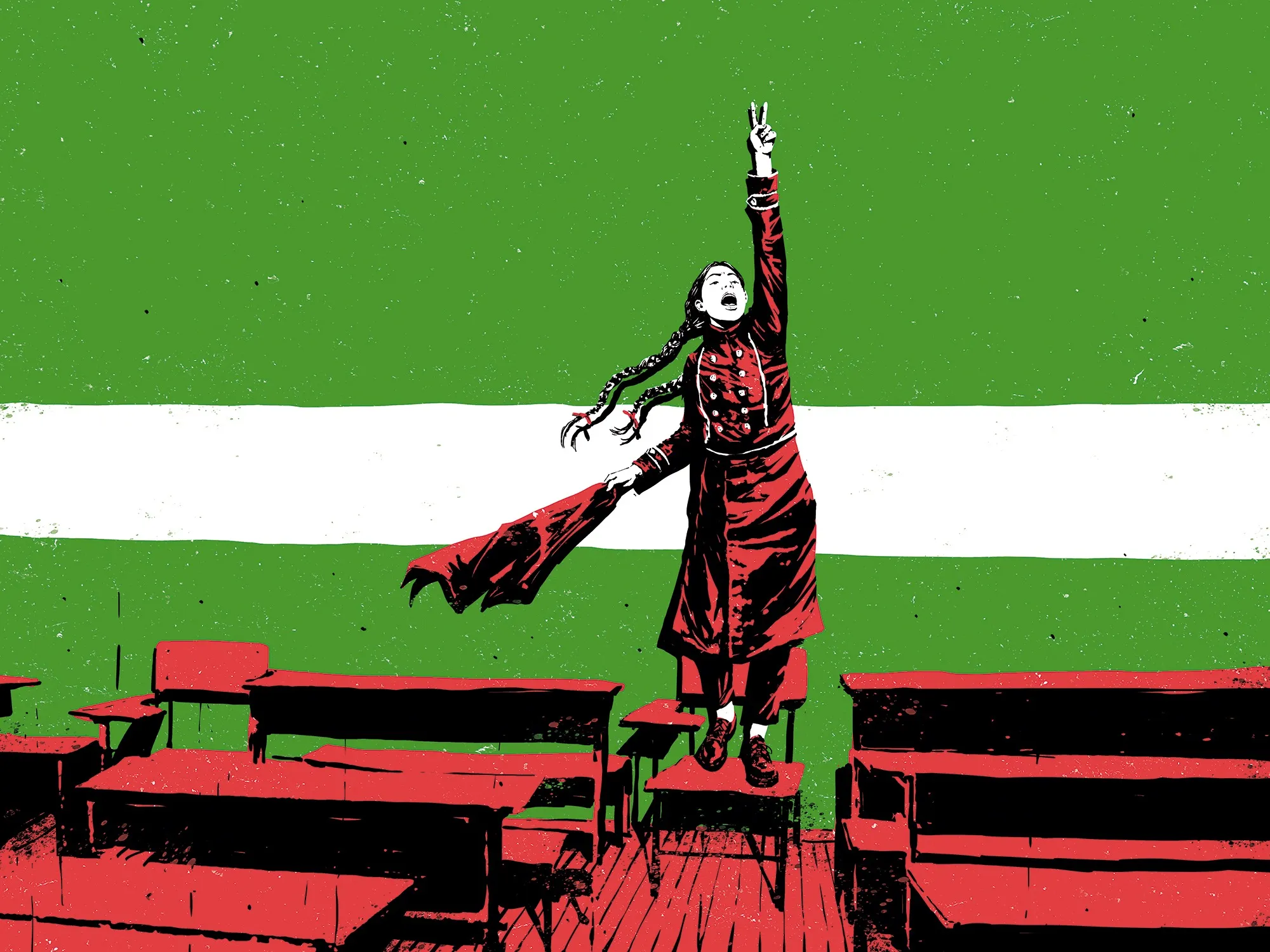
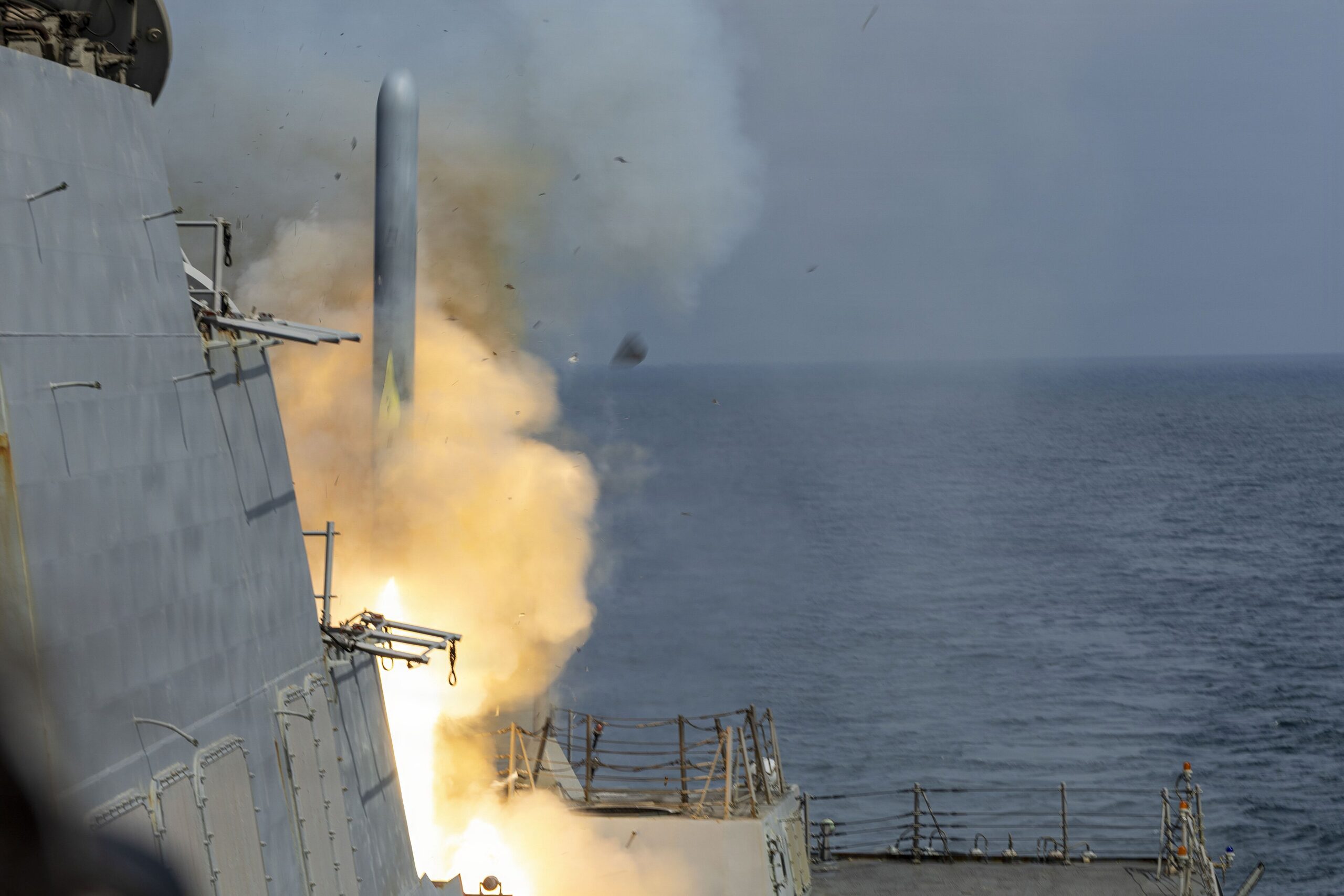
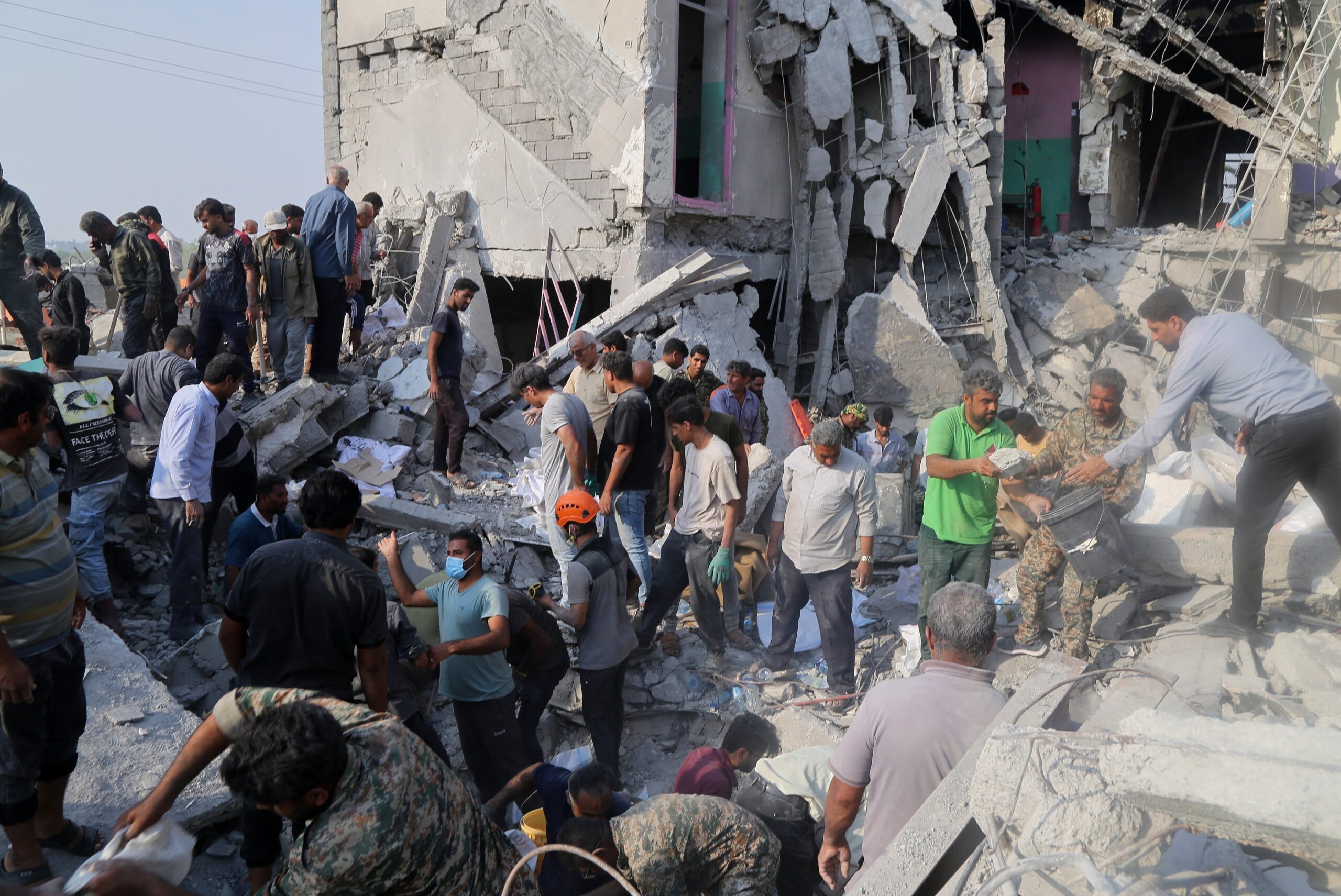
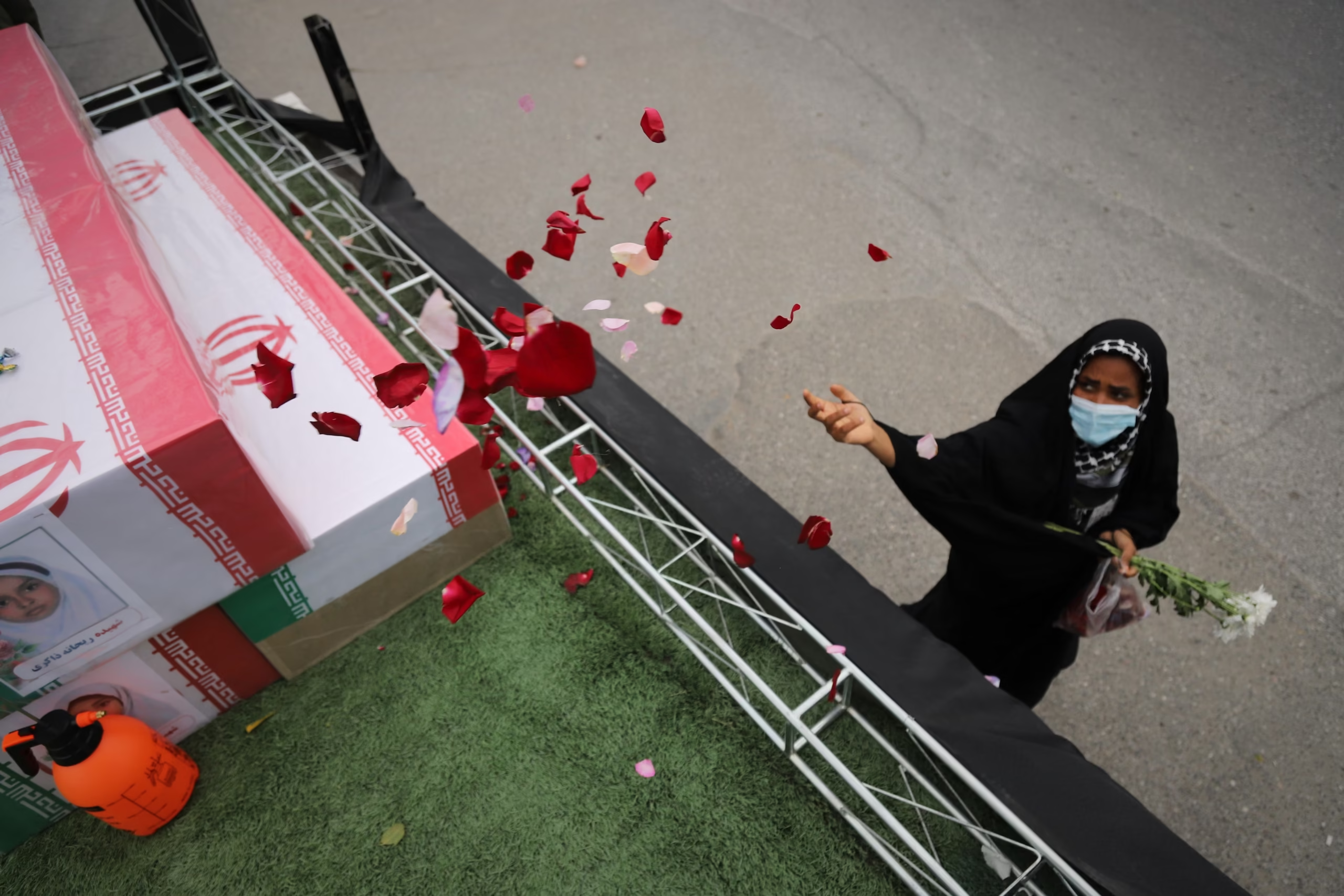
Regarding the 2026 Minab school attack, this is what we do know: on 28 February 2026, the first day of the America and Israel’s war on Iran, the Shajareh Tayyebeh girls’ elementary school in Minab (southern Iran) was destroyed by a missile attack/strike (words matter, take your pick). Iranian authorities told the New York Times that the attack killed at least 175 people, including scores of civilians. Human Rights Watch reviewed lists with dozens of names of children and adults reportedly killed in the attack, and was able to immediately match some names with ages and other identifying information on body bags and caskets.
The New York Times reported that the investigation found that the attack was the result of a targeting mistake by the US military, which was carrying out strikes on an Islamic Revolutionary Guard Corps naval base of which the school building had previously been a part. The report said that US Central Command officers created the target coordinates for the strike using outdated data provided by the US Defense Intelligence Agency.
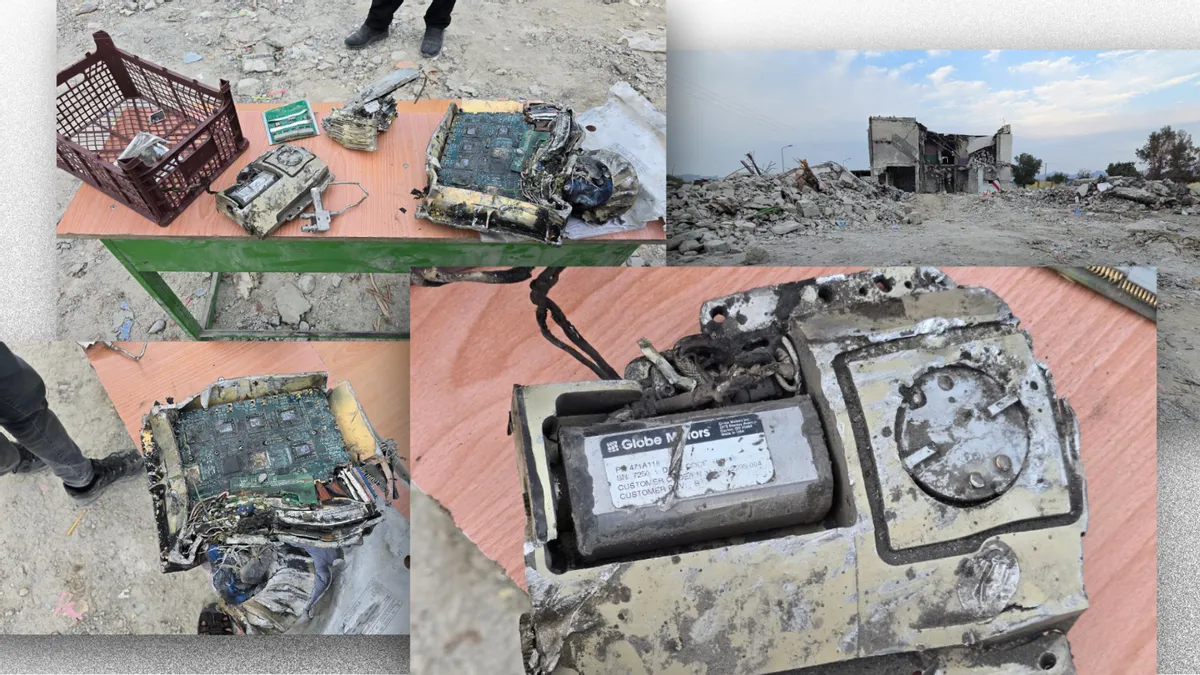
Four avenues of investigation regarding the Tomahawk attack on Minab Girls School are here:
1. The New York Times
2. Snopes
3. Wikipedia
4. Amnesty International (with satellite imagery)

It is hard not to conclude that Iran was blatantly betrayed twice by the U.S. administration. (Betrayal 1) Oman and Tehran were fooled once back in June of 2025. (Betrayal 2) In a laudable and concerted effort not to be fooled for a second time, on February 27th Oman’s Foreign Minister, Badr Albusaidi, got on a plane and flew all the way to Washington D.C. and immediately went on to CBS’s flagship “Face The Nation” program to tell the American public directly that the concessions Iran had just offered to give to Trump were game changing and (Iranian) regime saving. Albusaidi—on behalf, I would ague, of all GCC countries—was doing his utmost to ensure that conflict would not break out, at least not over that weekend. Afterall, could he categorically guarantee that Messrs Kushner and Witkoff (Trump’s self-appointed diplomatic duo) would not possibly forgot to convey the message to the American people themselves? I would argue too that the Iranians themselves genuinely believed that the seismic concession that they’d just offered was enough to have at least forestalled any prospect of war braking out that weekend. If they had not genuinely believed this, there is no way that Ayatollah Ali Khamenei would have been where he was that morning with both his key advisors and members of his nuclear family around him—his primary residence in the heart of Tehran in broad, early Spring, morning daylight.
(Betrayal 3) The Gulf countries themselves will not have been happy that despite all their protestations—both on TV and behind closed doors—the Americans went ahead and for a second time attacked Iran without warning and without imminent threat. The special relationships that the leaders of Saudi Arabia, Qatar and the UAE had forged with Trump—furnished and oiled so-to-speak, with staggeringly large investment into America and the purchasing of U.S.-made military industrial equipment deals—appeared to have no influence on Trump’s decision to subject the region to another purpose-wise, ill defined war. The betrayal (of trust, friendship) was all the greater to the GCC countries because over the past decades they had spent billions upon billions on American armaments, withstood some domestic disquiet in offering to host and mostly cover the costs of American military bases on all six of their territories and indeed, a few of this countries had even signed up to Trump and Kushner’s Abraham Accords. The Gulf countries are right to feel aggrieved as the “safe haven” they had worked so hard to achieve was partly underwritten on the assumption that having an American presence in the background on their soil and at their ports, would prevent not provoke attacks.