
Epically Furious

 Blog Publications Reports

First published in:

Academic rigour, journalistic flair


Rutledge, E. J. (2026, March 9). The Middle East conflict has swiftly exposed economic vulnerability in the region. The Conversation. https://theconversation.com/the-middle-east-conflict-has-swiftly-exposed-economic-vulnerability-in-the-region-277666
🖨 Print-friendly PDF
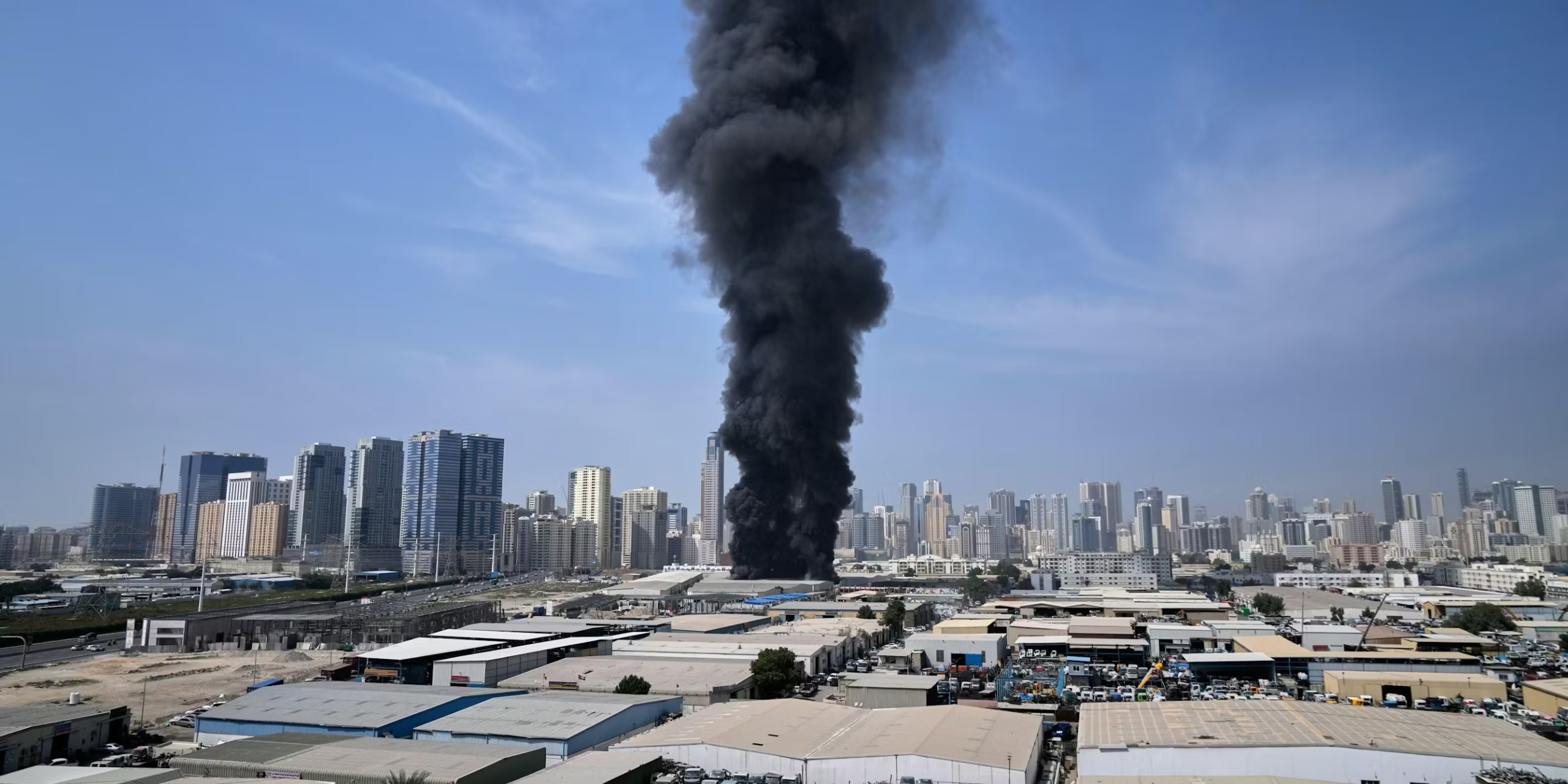

Smoke rises from Sharjah City in the United Arab Emirates (an Altaf Qadri/AP photo).

At the end of 2025, the Gulf states received high praise for their economic resilience. According to reports by the World Bank and the World Economic Forum, the region was stable, modern and reliable.

Now the six countries of the Gulf Cooperation Council (GCC) – Bahrain, Kuwait, Oman, Qatar, Saudi Arabia and the United Arab Emirates – are watching on nervously. The economic damage done by what has become a regional conflict, bringing an abrupt loss of stability, could be huge.

Aside from Saddam Hussein’s foray into Kuwait in 1991, these six countries have successfully steered clear of conflict on their home turf over a long period. They avoided the revolutionary upheavals which affected Egypt (1952), Iraq, Syria and Iran (1979). They steered clear of any spillover from the long-running Israel-Palestine conflict.

The group was mostly unaffected by the war between Iran and Iraq. And aside from a short-lived uprising in Bahrain in 2011, the GCC emerged largely unscathed from the regional turmoil of the Arab Spring in 2010 which spread from Tunisia and and Egypt and led to violent instability which continues to this day in Libya, Yemen and Syria.

The GCC’s comparative stability underpins its attractiveness as a global hub for money and modernity. Success in luxury tourism has filled places such as Dubai and Abu Dhabi with five (and even a seven) star hotels. Only France has more Michelin-starred restaurants than the United Arab Emirates (UAE). There is cutting-edge technology in Qatar’s energy sector, and a vast AI campus in the UAE.

It is these kinds of projects which led the World Bank and the World Economic Forum to publish glowing reports on the region recently. Both organisations agreed in late 2025 that oil wealth was being wisely invested for the future.

The general view was that the GCC was a place of economic stability and diversity. A director of the World Bank, Safaa El Kogali, said that the region’s embrace of a digital future had been nothing short of “remarkable”.

But US military bases in all GCC countries have come under attack. Drones have hit oil tankers. The Strait of Hormuz, vital for the transit of much of the world’s energy is effectively closed.

Missiles from Iran directly hit three Amazon web service facilities, one in Bahrain and two in the UAE, leading the company to recommend that GCC businesses back up their data and migrate it to data centres in the US.

Stock markets across the world have fallen sharply. Energy bills and petrol prices have soared as oil and gas refineries have been shut in Kuwait, Saudi Arabia, Qatar and the UAE.

Under fire

Despite efforts to diversify economies away from oil, for now the region is still clearly dependent on oil exports and food imports, hence the worries over Hormuz. There are fears for its numerous desalination plants, which provide drinking water (as well as filling infinity pools and keeping golf courses green).

And its status as a safe and sunny sanctuary for conference conveners, influencers, holiday makers and owners of second homes is now being questioned.

Even if the conflict were to end soon, reputational damage has been done. People are fleeing the area, as images of smoke filled skies fill screens.

This will inevitably dampen foreign direct investment in the immediate future. The course and duration of the conflict will determine the degree to which the region can bounce back and continue to attract holidaymakers and young professionals and those seeking a life with more sun and less tax.

From a geopolitical perspective, the region’s recent success – aside from its vast and easily extracted natural resources – has rested largely on the assumed political stability that was underwritten by hosting US military bases and buying US military hardware. Both of these could now prove to be an economic liability.
Will winner take all?

 Blog Publications Reports

The UAE and Saudi Arabia are now in blatant competition with one another. Competition is healthy, many will contend and this can be true but, if and when the times are more difficult such competition could become cut throat.

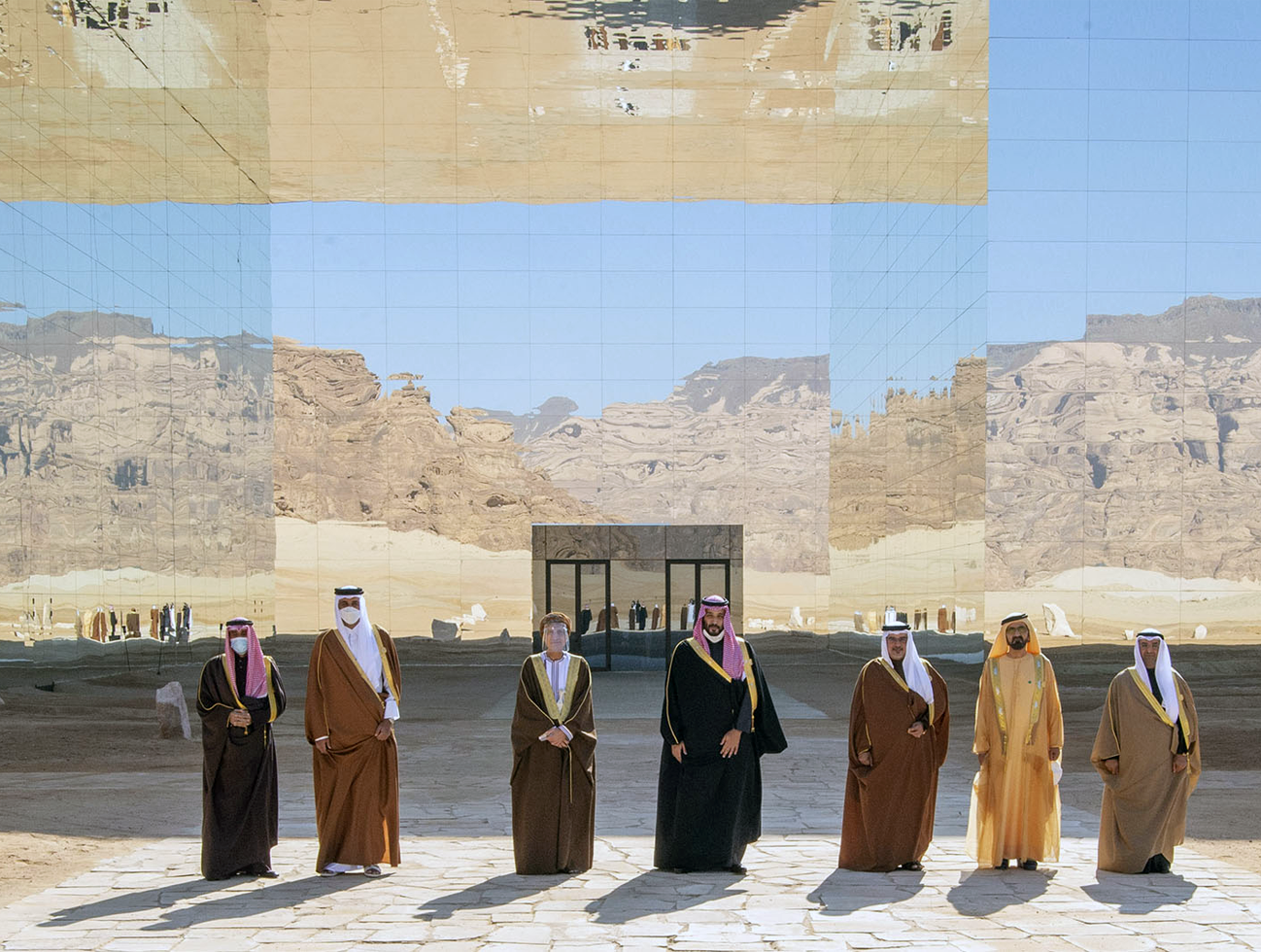
The protagonists. GCC country profiles  
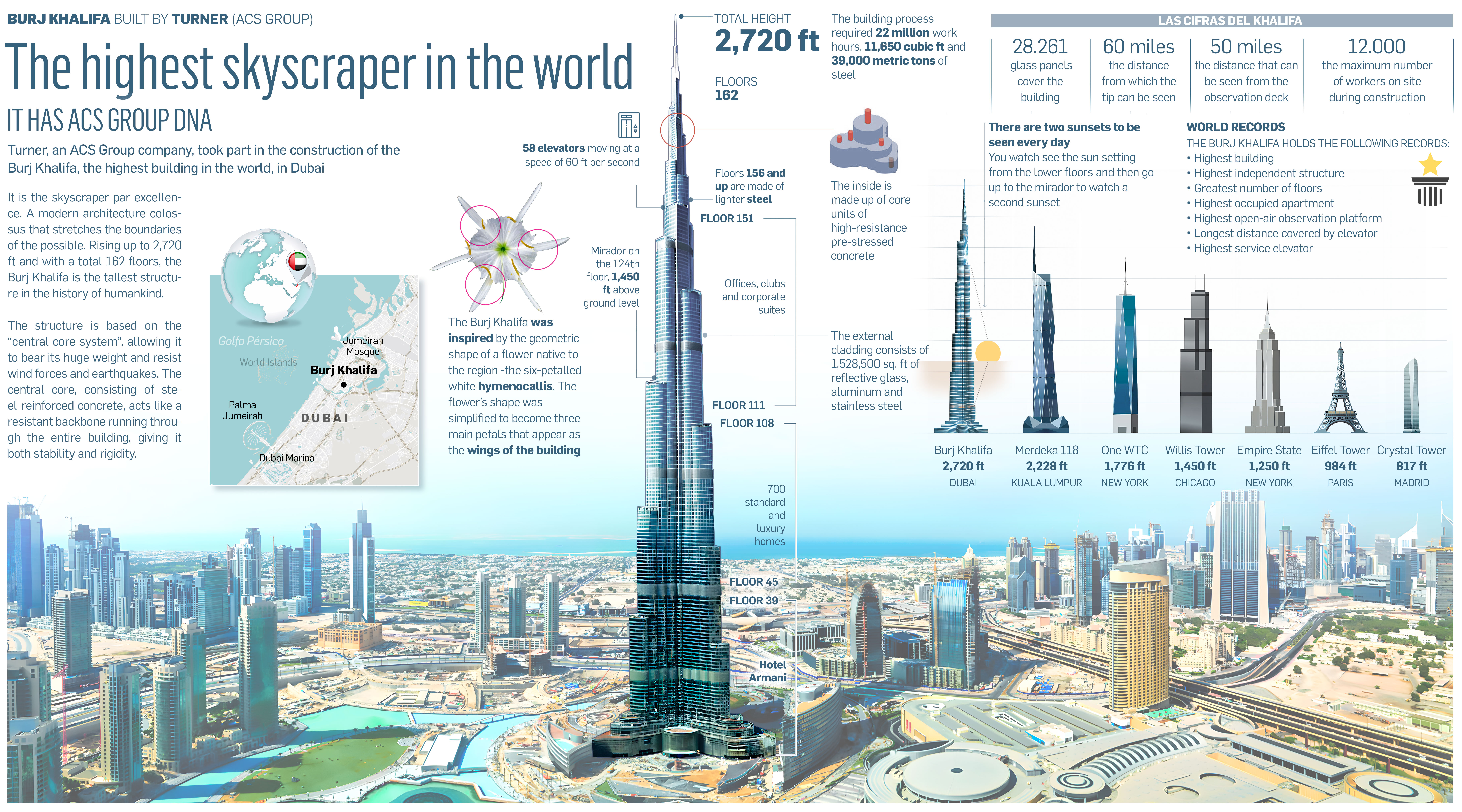
The Tallest. See more details  

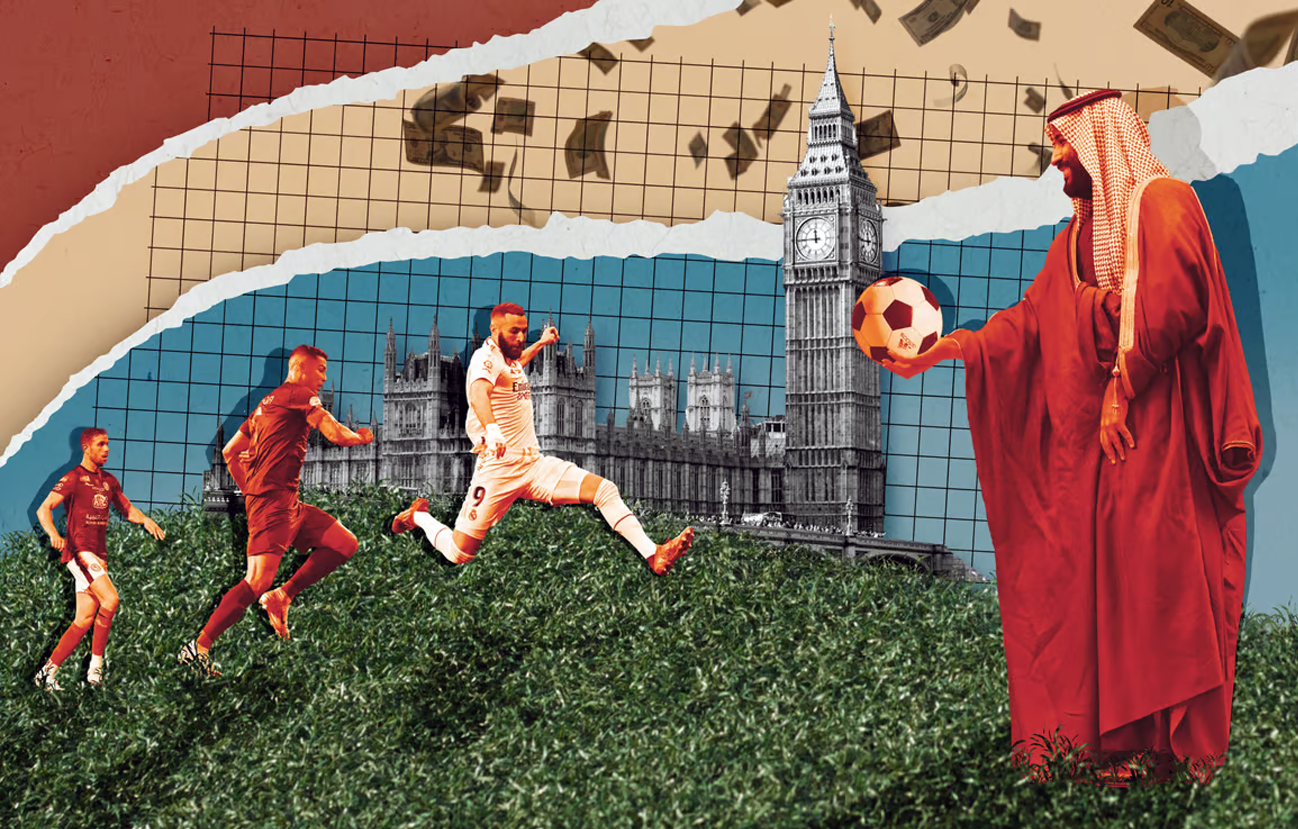
According to Abuamer and Nassar (2023), “soft power acquisition can also be used to explain how Gulf states approach sports.” Soft power, as Nye (2004) set out explain how some states acquire influence in non-confrontational ways and that sports investments can be explained by intra-Gulf rivalries, where competition rather than cooperation between Gulf states is arguably a key driver.

Football (especially the English Premier League)
Competing for football glory; especially in the English Premier League
Saudi Arabia owns Newcastle United F.C.
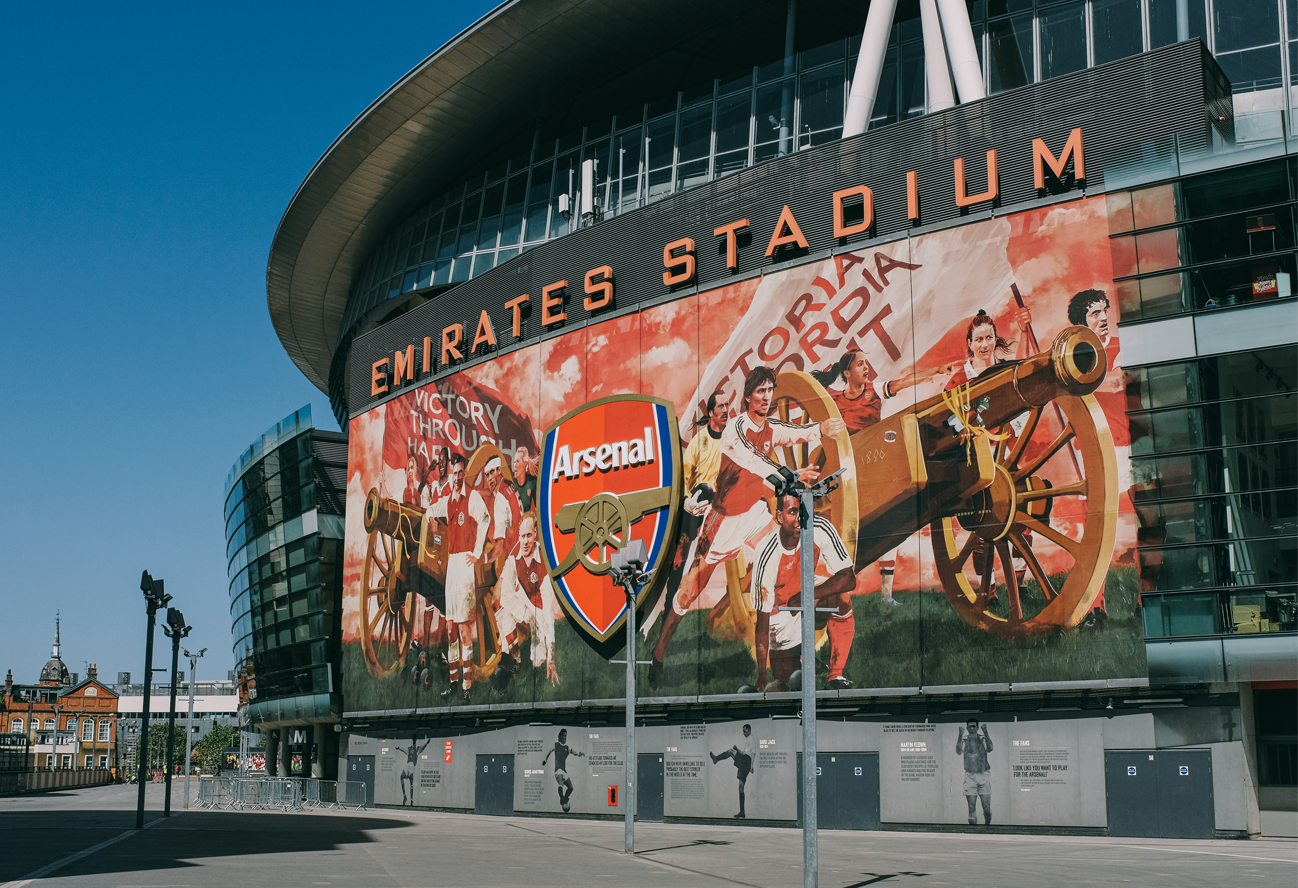
The Emirate of Dubai sponsors Arsenal F.C.
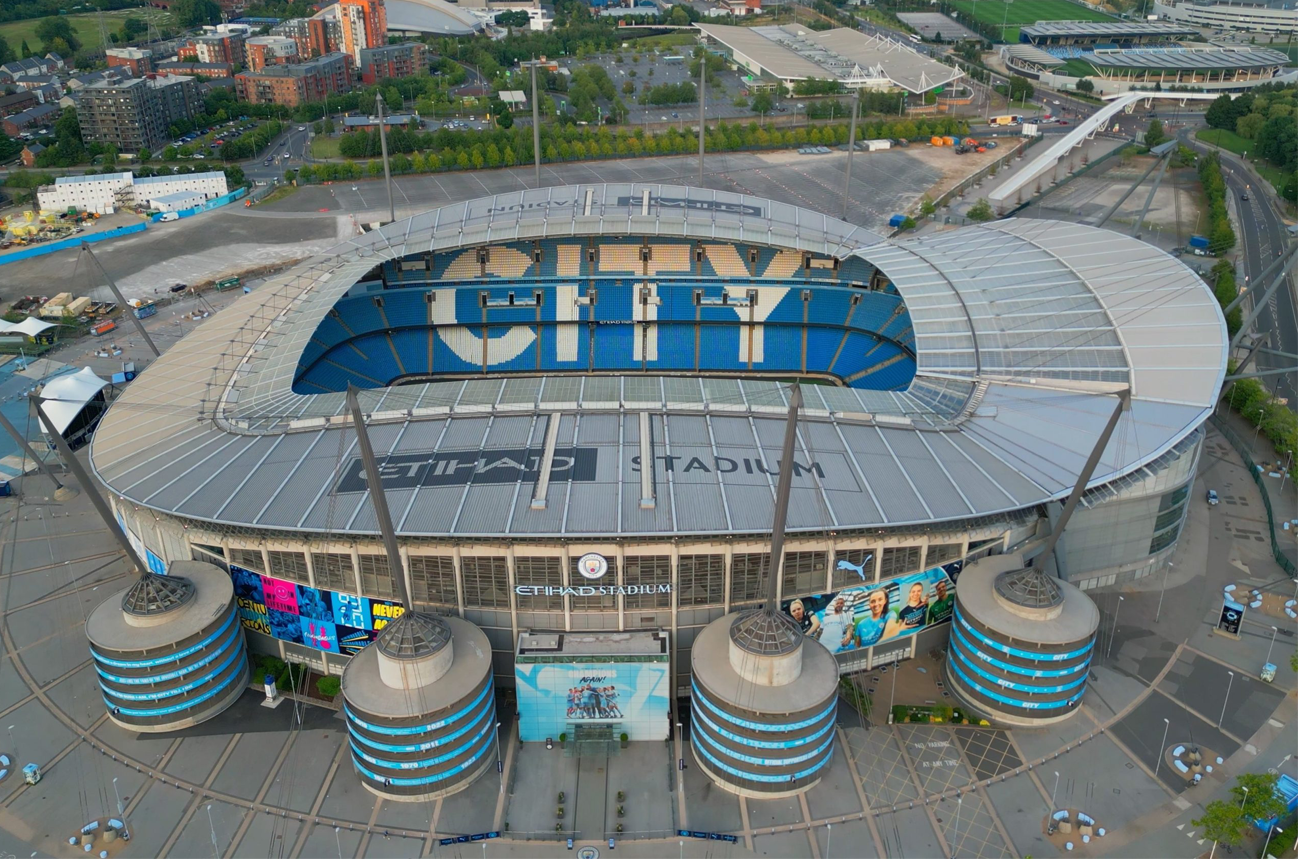
The Emirate of Abu Dhabi both own and sponsor Manchester City F.C.


References

Abuamer, M., & Nassar, Y. (2023, June 8). The Rise of Gulf States’ Investments in Sports: Neither Soft Power nor Sportswashing? The Project on Middle East Political Science (POMEPS). https://pomeps.org/the-rise-of-gulf-states-investments-in-sports-neither-soft-power-nor-sportswashing

Al Omran, A. (2025, January 6). World Cup award adds pressure to Saudi Arabia’s construction challenge. The Financial Times. https://www.ft.com/content/90eed648-a204-4058-b201-ff7a1bf7bb44

Baabood, A. (2023, October 30). The Future of the Gulf Cooperation Council Amid Saudi-Emirati Rivalry. Carnegie Middle East Center. https://carnegieendowment.org/research/2023/12/the-future-of-the-gulf-cooperation-council-amid-saudi-emirati-rivalry

Mason, R. (2023, June 23). How regime security is set to dominate Saudi-UAE interaction over economic competition and political rivalry. Atlantic Council. https://www.atlanticcouncil.org/blogs/menasource/saudi-arabia-uae-regime-security/

Foreman, C. (2022, November 29). Crown prince launches Riyadh airport masterplan. Middle East Economic Digest. https://www.meed.com/crown-prince-launches-riyadh-airport-masterplan

Foreman, C. (2022, December 7). Saudi Arabia plans 2km megatall tower in Riyadh. Middle East Economic Digest. https://www.meed.com/riyadh-plans-2km-megatall-tower

Foreman, C. (2024, March 5). Foster & Partners wins 2km-tall tower. Middle East Economic Digest. https://www.meed.com/foster-partners-wins-2km-tall-tower

Gridin, K. (2023, May 21). UAE and Saudi Arabia: Competition driving GCC growth. Vision Business Development. https://www.visionbusinessdevelopment.com/post/uae-and-saudi-arabia-competition-driving-gcc-growth

Kalin, S. (2023, November 25). Gaza Diplomacy Cements Qatar’s Global Mediator Role. Wall Street Journal. https://www.wsj.com/world/middle-east/gaza-diplomacy-cements-qatars-global-mediator-role-29e0ffb7

Milton, S., Elkahlout, G., & Tariq, S. (2023). Qatar’s evolving role in conflict mediation. Mediterranean Politics, 0(0), 1–25. https://doi.org/10.1080/13629395.2023.2266665

Nye, J. S. (2004). Soft Power: The Means To Success In World Politics. PublicAffairs.

Reisinezhad, A., & Bushehri, M. (2024, January 25). The Hidden Rivalry of Saudi Arabia and the UAE. Foreign Policy. https://foreignpolicy.com/2024/01/25/the-hidden-rivalry-of-saudi-arabia-and-the-uae/

The Economist. (2024, September 28). What “supertall” skyscrapers reveal about the countries that build them. The Economist, 452(9416), 75–76. Retrieved from https://www.economist.com/interactive/culture/2024/09/20/what-supertall-skyscrapers-reveal-about-countries-that-build-them

Oil’s political-economy

 Blog Publications Reports

First published in:

Academic rigour, journalistic flair


Rutledge, E. J. (2024, July 9). How the economics of oil could sway the US presidential election. The Conversation. https://theconversation.com/how-the-economics-of-oil-could-sway-the-us-presidential-election-232956
🖨 Print-friendly PDF


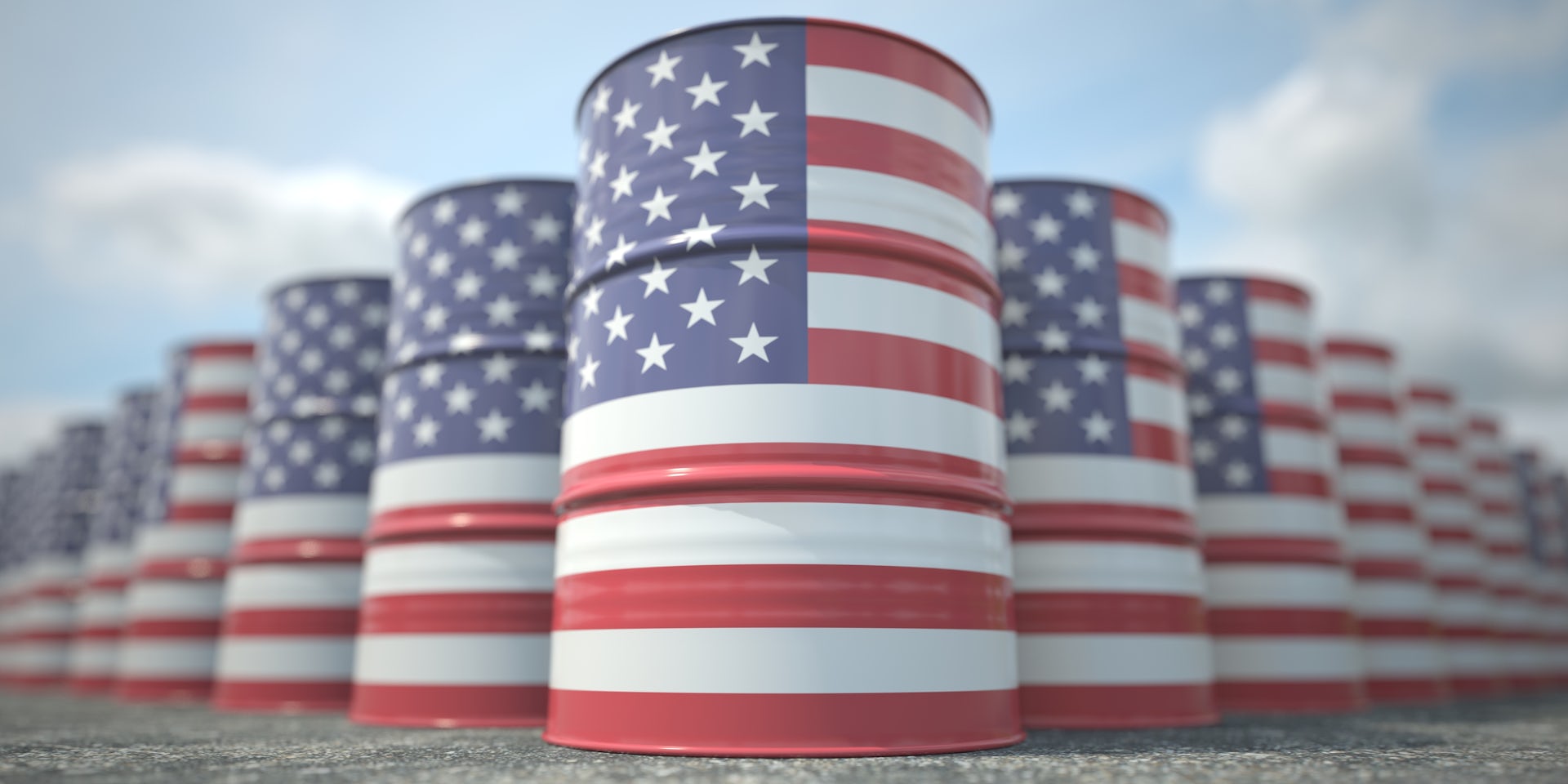
Oil continues to influence global economics and politics like no other finite natural resource. In the 2024 US presidential election, the strategic commodity will be an important domestic issue.

As the biggest producer and consumer of oil on the planet, the US has a particularly strong relationship with the black stuff. And the candidates know it.

Donald Trump has promised to “drill, drill, drill” and reportedly courted the financial backing of industry giants. Those giants have responded by donating US$7.3 million (£5.7 million) to Trump’s campaign – three times more than for his 2020 run.

Meanwhile, Joe Biden has attempted to reduce dependence on fossil fuels with his green energy policy and other legislation. Yet at the same time he has overseen an increase in domestic oil production and promised motorists he will keep petrol prices low.

It’s an important promise in the US, a country whose love affair with cars is well known. Out-of-town shopping malls, long highways and a lack of government investment in public transportation have fuelled car dependency, with many cities being designed around huge road systems.

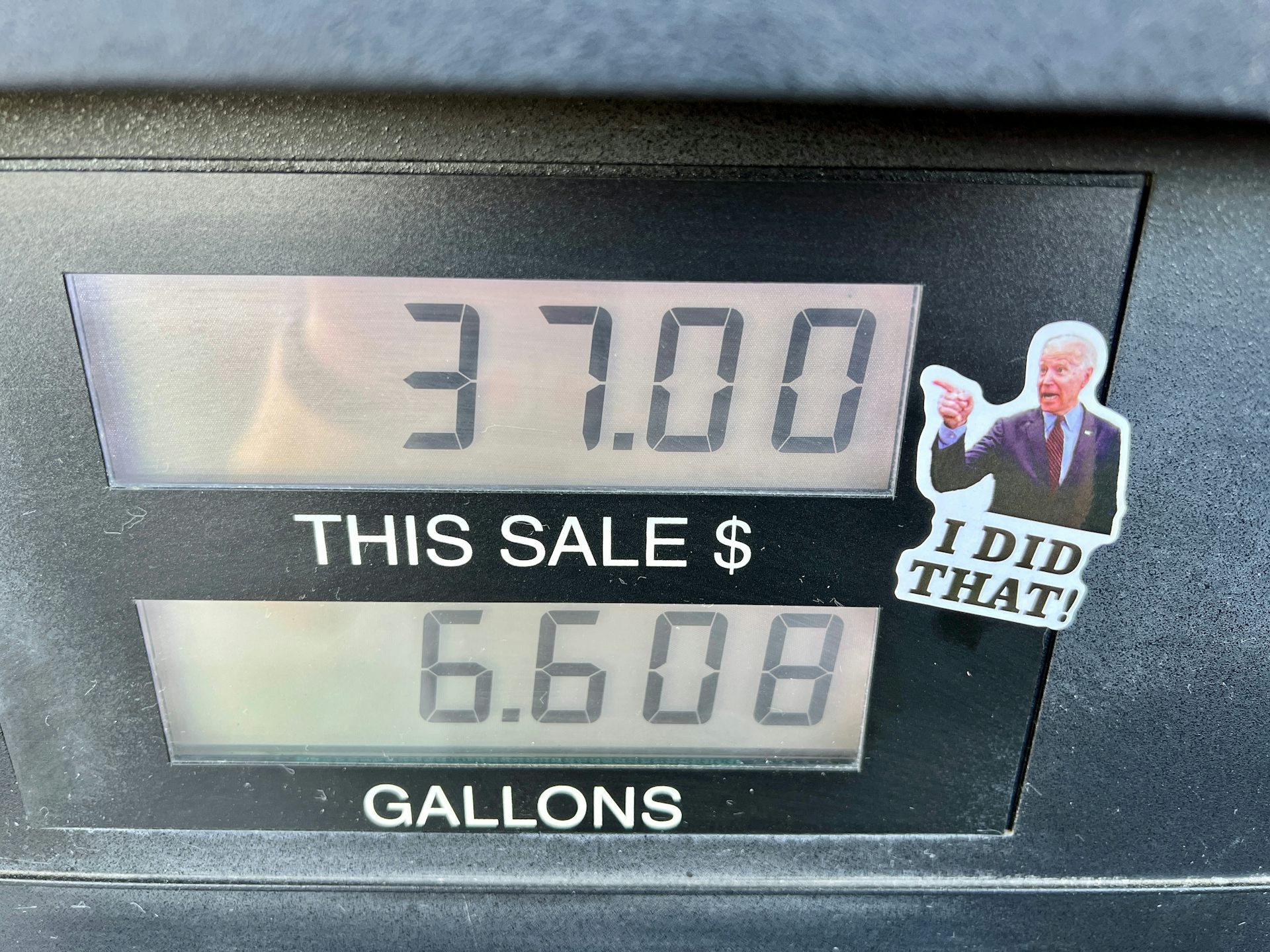
So it is perhaps unsurprising that pump prices are a significant factor influencing votersResearch has even shown that gasoline prices have an “outsized effect” on inflation expectations and consumer sentiment. As fuel prices go up, confidence in the economy goes down.

And while many European and Asian countries have shifted towards alternative energy sources, the US has not reduced its dependence on fossil fuels when it comes to transport. Electric models make up only 8% of vehicles sold in the US, compared to 21% in Europe and 29% in China.

Any rise in gasoline prices ahead of the US summer “driving season” – when holidays and better weather encourage more road travel and gasoline consumption is estimated to be 400,000 barrels per day higher than other times – would be a serious concern for the Democratic party.

Yet it’s also true that whoever is in the White House actually has limited ability to influence gasoline prices. Around 50% of the pump price is the cost of crude oil, the price of which is set by international markets.

And despite producing enough oil domestically to cover its consumption, the US continues to trade its oil around the world. Back in 2015, Congress voted to lift restrictions on US crude oil exports that had been in place for four decades, allowing US companies to sell their oil to the highest international bidder.

To complicate things further, some US refineries can only deal with a certain type of crude oil, which has to be imported. Neither international events or foreign production decisions are under the control of a US president.

Indeed, oil price spikes caused by political crises in other oil producing regions illustrate how continued dependence on oil itself, whether domestically produced or imported, leaves the US exposed to global market shocks which could in turn influence electoral outcomes.

After Russia’s full scale invasion of Ukraine in 2022 and production cuts from countries such as Saudi Arabia in 2023, the Republican party used a rise in gasoline prices to attack Biden’s environmental policies which had reduced domestic oil drilling and ended drilling leases in the Arctic.

Big oil, little oil

So while the US president has little say over the price of fuel that voters pay, domestic oil and gas regulations have a role to play, as oil producers make up a significant body of influence in the US.

Aside from the big firms backing Trump, the structure of the US oil industry is unique among oil producing states in that it is dominated by a very large number of small independent producers who earn money from the extraction and sale of oil from their land.

How the economics of oil could sway the US presidential election - Emilie Rutledge, July 9th, 2024
Some campaigners have blamed Biden for price rises at the pump

In most oil-producing countries, subsurface oil is owned by the state. But in the US, the mineral rights are owned by the private landowner who can earn royalties by allowing oil companies to drill on their land. In 2019, there were 12.5 million royalty owners in the US. Operating alongside them are some 9,000 independent fossil fuel companies which produce around 83% of the country’s oil and account for 3% of GDP and 4 million jobs.

Those companies drilling on state-owned land pay a royalty rate to the government, which up until recently was as low as 12.5% of the subsequent sales revenue. Biden’s decision to raise the rate to 16.67% did not go down well with oil producers.

Despite that raise and Biden’s pledge to forge ahead with the US energy transition, the domestic oil and gas industry expansion has continued under his watch. In 2023, US oil production grew to unprecedented levels, averaging 12.9 million barrels per day and forecasters predict a 2% production increase in 2024.

Surging US oil production may help with the Democrats’ re-election bid, but rising gasoline prices will not – even though their levels depend on much more than Biden’s energy policies. Instead, it may be that the international economics of oil markets drive voters’ decisions – and determine who wins and who loses in November 2024.